Design Is Not Just Aesthetic
It’s Art and Engineering
You can find aesthetic inspiration anywhere. Endless scrolls of “beautiful things.” Perfect color palettes. Polished mockups with no context, no constraints, no story.
That’s not what this series is about.
Great design lives at the intersection of art and engineering.
- Engineering is problem-solving under constraint.
- Art is understanding what delights, moves, or resonates with humans.
When design is reduced to aesthetics alone, we miss the most important part:
someone was solving a real problem, often with limited money, limited time, limited tools, or limited talent.
Scarcity is not a footnote in design history.
It’s the catalyst.
This series is about honoring that reality.
Why We Steal From the Past
Across history, designers—whether formally trained or completely self-taught—have done remarkable work while operating under harsh constraints. Tight budgets. Fast timelines. Cultural pressure. Political tension. Emerging technologies. Sometimes all at once.
And yet, beauty emerged anyway.
What makes this especially compelling is that design history is never linear. Every era borrows from another:
- Early hip-hop flyers echo the grand geometry of Art Deco.
- Monumental design languages show up in the most unlikely, grassroots places.
- What feels “original” is often a remix—filtered through a new context.

By studying these moments, we don’t just discover styles.
We discover people, eras, and intentions.
Design becomes a doorway into history.
What This Series Will Explore
Each post in Design Styles Worth Stealing follows the same structure—intentionally.
Because inspiration is most useful when it’s repeatable, not random.
In each entry, we’ll explore:
- The era or cultural moment where the design emerged
- The problem being solved, not just the final look
- The constraints that shaped the outcome
- The transferable principles you can apply today—whether you’re designing a website, a brand, a product, or a system
We’ll pull inspiration from:
- Canonical movements you’d expect to see in design history books
- Overlooked or unconventional chapters of human creativity
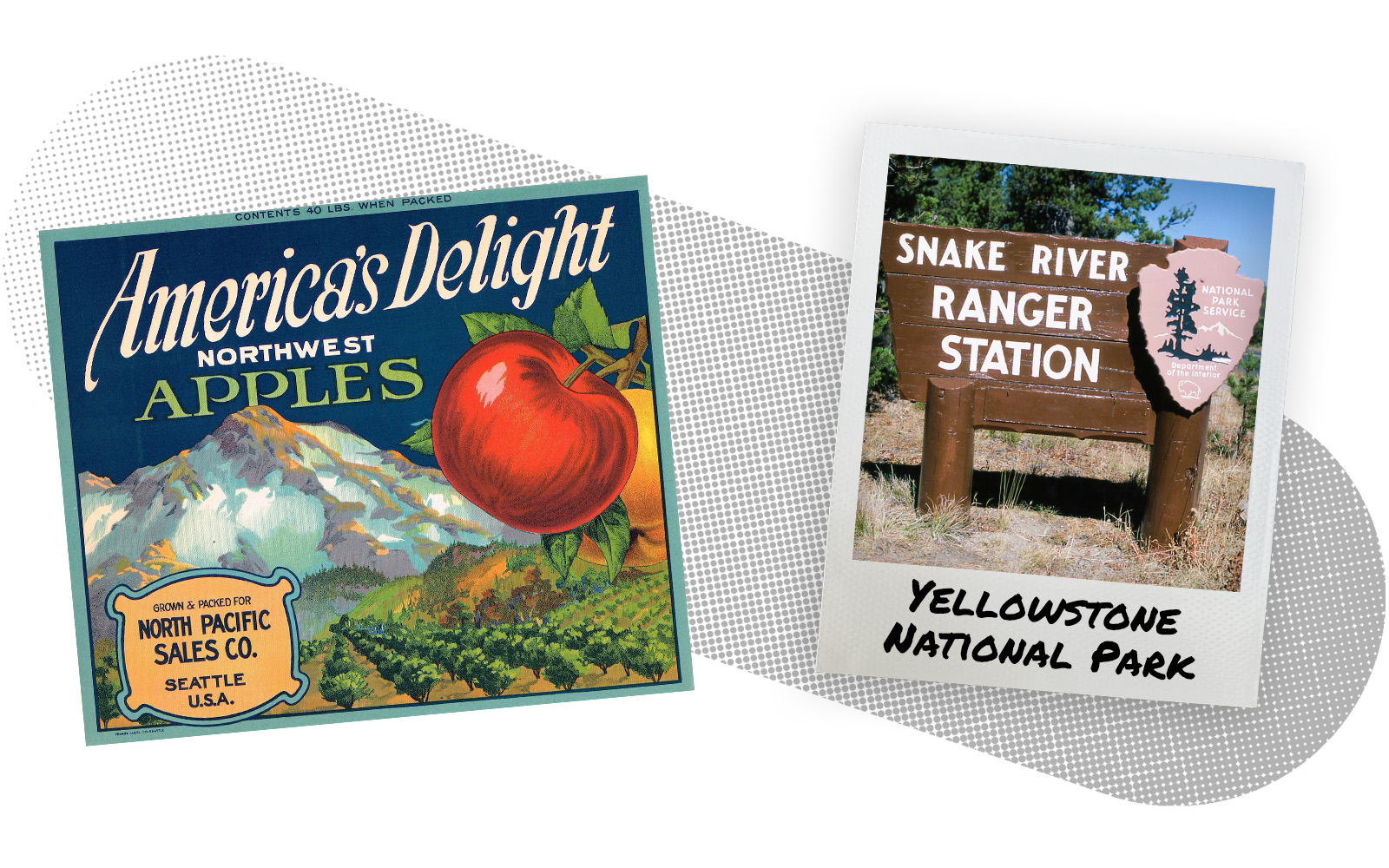
- Practical, scrappy solutions that punch far above their budget
Some examples will feel familiar. Others may surprise you.
That’s the point.

Why This Matters Now
Ironically, in an era of unlimited tools, infinite fonts, and boundless references, many designers feel more stuck than ever.
Looking to the past does something powerful:
- It reminds us that constraints fuel creativity
- It reframes originality as interpretation, not invention
- It reconnects design to meaning, not just surface-level polish
And perhaps most importantly—it gives credit to the people who did extraordinary work long before algorithms decided what we should see.
This series is our way of saying:
these ideas still matter.
What to Expect Going Forward
At the top of every future post in this series, you’ll see a simple note:
“Learn more about this blog series.”
That link will bring you back here—to the philosophy, the structure, and the intent behind the work.
Because Design Styles Worth Stealing isn’t about copying the past.
It’s about understanding it deeply enough to build something better today.
—
If you’re a designer, a builder, or simply someone who appreciates how thoughtful design shapes the world—you’re in the right place.
Let’s steal wisely.